

Good readers understand the links between words and their meanings.
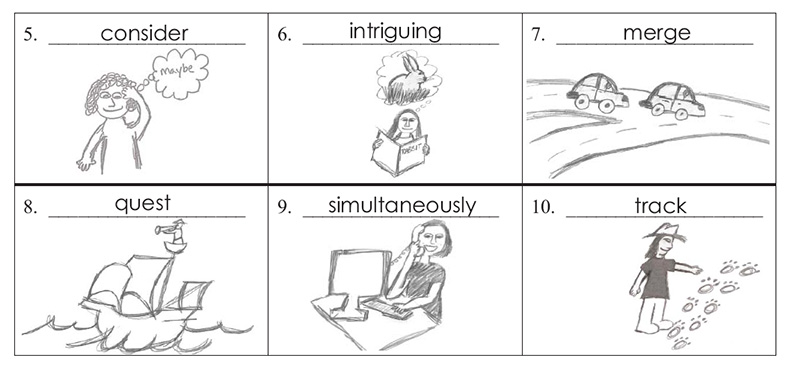
To do so, they draw on their experiences of the things and concepts in a piece of writing.
Https://www.youtube.com/watch?v=4B3ZcDm7i-g
Good readers also notice other things, outside the text, that help them make sense of the what they’re reading. For instance, they may notice how a piece of writing is being put to use. Is it a news story intended to inform readers? Is it an advertisement? Is it fiction?
https://youtu.be/J2KHX1Pm5co
Beginning readers are learners on the way to becoming good readers.


Almost all beginning readers need instruction from teachers and parapros.
Reading Instruction:
With instruction, these learners come to recognize words and make meaning of them.
PRINT AWARENESS:
starts with the realization that the symbols on a page or sign on the side of the road actually mean something.

With time, print awareness leads to a knowledge of how to use texts. Some research has shown that children with good print awareness improve at reading faster than their peers with similar vocabularies and other reading skills (Whitehurst & Lonigan, 1998).
- Watching adults or siblings use books and listening to them read and seeing how they use them

- Some children build on their print awareness by looking at picture books (young children can understand meaning in books like these, even if they can’t read yet).
Maybe you can see why reading to young children is so important. It helps jumpstart their reading journey by strengthening their oral language vocabulary. When they listen to other people read, children recognize words they already know and begin to learn the meaning of new words.
PHONEMIC AWARENESS
With good instruction, children begin to connect images, sounds, and meanings. They learn about:
- the sounds of the English language—what are called “phonemes.”
- to recognize the 26 letters of the alphabet.
A combination of phonemic awareness and print awareness unlocks the most important step: learning the sounds connected to letters. Early readers begin to put these sounds together to create combinations of sounds and then words